

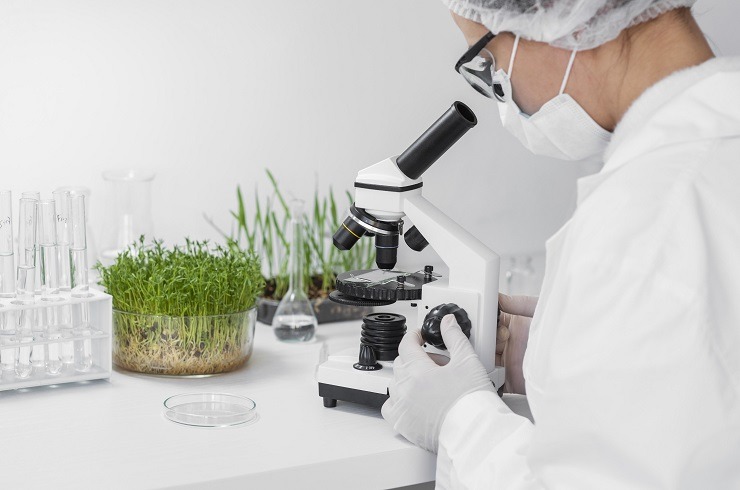
Comprehensive Curriculum for Diploma in Agriculture 🌾🎓
The Diploma in Agriculture is a two-year undergraduate diploma program designed to provide foundational knowledge and practical training in agricultural sciences and allied fields. It prepares students for entry-level roles in agriculture and agribusiness industries, and offers pathways for higher education.
Program Overview
The Diploma in Agriculture focuses on farming techniques, crop production, pest management, soil health, and sustainable agriculture practices. The curriculum integrates classroom learning with hands-on experience to develop technical skills essential for modern farming and agribusiness.
Eligibility Criteria ✅
- Educational Qualification:
- Completion of 10th grade (Matriculation) with a minimum aggregate of 45%-50% (relaxation for reserved categories).
- Some universities also accept 10+2 students (Science stream preferred).
- Age Limit:
- Minimum age: 15-17 years.
- Entrance Exams (if applicable):
- State-level entrance exams or institution-specific tests.
- English Proficiency (for international applicants):
- Valid scores in TOEFL, IELTS, or equivalent tests (if required).
Admission Procedure📝
- Application Process :
- Fill out the application form online or offline through the university portal.
- Attach required documents: academic transcripts, identity proof, and photographs.
- Entrance Exam :
- Appear for relevant state/university-level entrance exams (if applicable).
- Merit-Based Admission:
- Many universities select students based on merit in the 10th or 12th-grade exams.
- Counselling/Interview:
- Some institutions conduct counselling sessions to finalize admissions.
Curriculum Structure 📚
Year 1: Fundamentals of Agriculture
- Principles of Agronomy
- Fundamentals of Soil Science
- Introduction to Horticulture
- Basics of Agricultural Engineering
- Rural Sociology and Agricultural Extension
- Farm Management and Agricultural Economics
Year 2: Core Agricultural Practices
- Crop Production and Management
- Irrigation and Water Resource Management
- Fundamentals of Plant Protection (Pests and Diseases)
- Livestock Production and Management
- Post-Harvest Technology and Storage Techniques
- Introduction to Organic Farming
Practical Training and Internship
- Fieldwork in crop production and farming techniques.
- Training at agricultural research centers, farms, or agribusinesses.
- Small-scale project or report submission on an assigned agricultural topic.
Assessment & Grading
- Continuous Evaluation: Assignments, practical records, and quizzes.
- Semester-End Exams: Theoretical and practical exams.
- Field Performance: Assessment based on internship or on-field work.
Career Options After Diploma in Agriculture
In India
- Government Sector Jobs:
- Agriculture Extension Officer (AEO).
- Assistant in agricultural departments or Krishi Vigyan Kendras (KVKs).
- Roles in NABARD, FCI, or state agriculture departments.
- Private Sector Opportunities:
- Agri-input companies (fertilizers, pesticides, seeds).
- Technician roles in food processing and agribusiness firms.
- Entrepreneurship:
- Start a small farm, organic farming venture, or agro-related business.
- Higher Education:
- Pursue a BSc in Agriculture or other specialized agriculture degrees.
Abroad Opportunities 🌍
- Skilled Worker Roles:
- Positions in modern farming, greenhouse management, and food processing abroad.
- Higher Studies:
- Pursue advanced diplomas or undergraduate degrees in agriculture-related fields in countries like Canada, Australia, or New Zealand.
- Agri-Tech:
- Work in technological solutions for agriculture, such as drone operations or precision farming.
Competitive Exams After Diploma in Agriculture
In India
- ICAR AIEEA UG: For admission to BSc Agriculture programs.
- State Public Service Exams: For roles in state agricultural departments.
- Banking Sector Exams:
- IBPS-AFO (Agriculture Field Officer) after further studies.
Abroad
- Skilled Migration Tests: For roles in agriculture in countries like Canada or Australia.
- TOEFL/IELTS: For language proficiency requirements in higher studies or job applications.
Program Fee Structure
- India: ₹20,000 – ₹80,000 per year.
- Abroad: $5,000 – $15,000 per year.
(Scholarships and fee waivers are often available for deserving candidates.)
Conclusion 🎓
The Diploma in Agriculture provides a strong foundation for practical and theoretical knowledge in the field, opening doors to employment, entrepreneurship, or higher studies. 🌟 It is an ideal starting point for students passionate about advancing agriculture and contributing to global food security.
Course Features
- Lecture 0
- Quiz 0
- Duration 104 weeks
- Skill level All levels
- Language English
- Students 0
- Assessments Yes


