

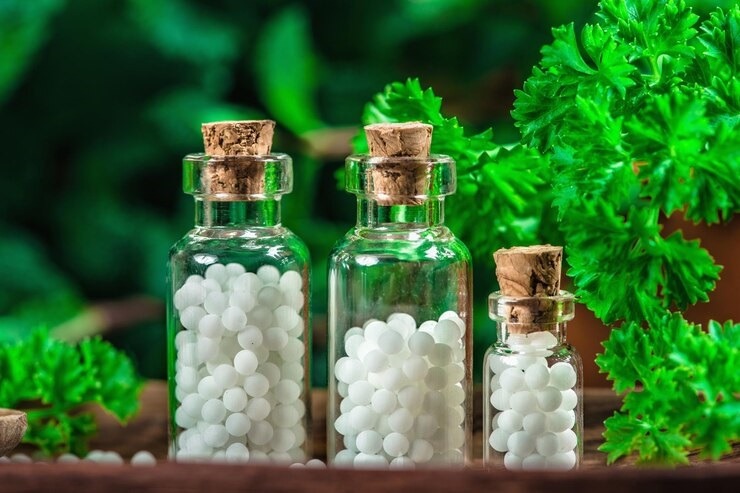
Common Curriculum for Diploma in Pharmacy (Homeopathy) in Paramedical Program 🌿
The Diploma in Pharmacy (Homeopathy) program focuses on the principles, practices, and pharmaceutical aspects of Homeopathic medicine. This program prepares students to become skilled professionals in the preparation, formulation, and dispensing of homeopathic medicines. The curriculum covers essential knowledge of homeopathic pharmacy, medical terminology, patient care, and relevant drug regulation.
Eligibility Criteria ✅
- Educational Qualifications:
- Completion of 10+2 in Science (with Physics, Chemistry, Biology) or an equivalent qualification from a recognized board.
- Minimum marks required: 50% (varies by institution).
- Age Limit:
- Candidates must be between 17 to 35 years of age. Some institutions may provide age relaxation.
- Physical Fitness:
- Students must be physically fit to undertake the responsibilities associated with the practice of Homeopathy.
Admission Procedure 📝
- Application Process:
- Candidates need to fill out the application form online or offline through the university or institution’s website.
- Submit necessary documents such as 10+2 mark sheets, ID proof, and passport-sized photographs.
- Entrance Exam:
- Some universities may conduct an entrance exam that tests knowledge in Science subjects (Physics, Chemistry, Biology) and Homeopathic concepts.
- Merit-Based Admission:
- Some institutions may offer merit-based admission, relying on the marks obtained in 12th grade or the entrance exam.
- Fee Payment:
- After selection, candidates are required to complete fee payment to confirm their admission.
- Counseling (if applicable):
- Some universities may conduct counseling or interviews to assess candidates’ interest in Homeopathy and their general knowledge.
Curriculum Structure 📚
The Diploma in Pharmacy (Homeopathy) typically spans 2 years and includes a combination of theory and practical subjects. Below is a general outline of the subjects covered in the program.
Module 1: Basics of Homeopathy 🌱
| Subjects | Description |
| Introduction to Homeopathy | Understanding the history, philosophy, and principles of Homeopathy as a system of medicine. |
| Homeopathic Terminology | Study of basic terminology, remedies, and concepts used in Homeopathic medicine. |
| Human Anatomy and Physiology | Overview of human body structure and function, with an emphasis on how Homeopathic remedies affect different body systems. |
Module 2: Homeopathic Pharmacy 💊
| Subjects | Description |
| Pharmacology of Homeopathic Drugs | Study of the properties, uses, and potencies of various Homeopathic remedies. |
| Preparation of Homeopathic Medicines | Hands-on training in the preparation and dispensation of homeopathic medicines like tinctures, mother tinctures, and globules. |
| Pharmaceutical Care in Homeopathy | Learning how to assess patient history, dispense remedies, and manage prescriptions safely. |
Module 3: Materia Medica in Homeopathy 🌿
| Subjects | Description |
| Materia Medica | In-depth study of homeopathic remedies, their source, properties, and how they address specific conditions. |
| Repertory of Homeopathy | Learning how to use Homeopathic repertories to choose the correct remedy based on patient symptoms and individual characteristics. |
Module 4: Homeopathic Clinical Practice 🩺
| Subjects | Description |
| Case Taking and Diagnosis | Skills for taking patient history, recognizing symptoms, and using Homeopathic principles for diagnosis. |
| Patient Interaction and Counseling | Effective communication techniques to help patients understand Homeopathic treatments and guide them throughout the healing process. |
| Clinical Internship/Training | Practical training in Homeopathic clinics or hospitals, applying theoretical knowledge to real-life cases. |
Module 5: Public Health and Safety in Homeopathy 🌍💚
| Subjects | Description |
| Pharmacovigilance in Homeopathy | Understanding the safety profile of homeopathic medicines, monitoring for adverse effects, and managing them effectively. |
| Regulatory Framework for Homeopathy | Learning about the legal aspects of Homeopathy, including drug regulation, licensing, and ethical practices. |
| Health Promotion and Preventive Care | Understanding how Homeopathy can contribute to public health, disease prevention, and holistic wellness. |
Module 6: Research and Development in Homeopathic Pharmacy 🔬📑
| Subjects | Description |
| Research Methodology in Homeopathy | Basics of scientific research, clinical trials, and how to conduct studies involving Homeopathic treatments. |
| Advanced Homeopathic Studies | Learning about new developments in Homeopathy and how to incorporate modern research with traditional knowledge. |
| Quality Control and Standardization | Ensuring the quality and purity of homeopathic medicines through standardization, testing, and production processes. |
Key Skills Developed 🎯
- Knowledge of Homeopathic Medicines:
- A strong understanding of homeopathic drugs, their uses, and preparation methods, including materia medica and repertories.
- Pharmaceutical Practices:
- Skills in the preparation, dispensing, and management of homeopathic medicines in a safe and effective manner.
- Patient Care and Counseling:
- Ability to take detailed patient histories, understand their health needs, and recommend the right homeopathic remedy.
- Clinical Exposure:
- Hands-on experience in clinical settings, where students can observe and apply Homeopathic treatments in practice.
- Pharmacovigilance:
- Understanding how to monitor and ensure the safety of homeopathic treatments, ensuring patients’ well-being.
Career Opportunities After Completing the Course
Graduates of the Diploma in Pharmacy (Homeopathy) can explore a variety of career paths in Homeopathic pharmaceutical companies, clinics, healthcare settings, and research. Some of the career options include:
- Homeopathic Pharmacist
- Work in pharmacies, hospitals, or clinics to dispense homeopathic medicines and offer patient care.
- Homeopathic Medicine Manufacturer
- Work with companies that manufacture homeopathic medicines, ensuring the quality and safety of the products.
- Clinical Homeopath
- Offer homeopathic consultations, diagnose ailments, and treat patients with individualized homeopathic remedies.
- Researcher in Homeopathy
- Participate in clinical research or studies related to the effectiveness and safety of homeopathic treatments.
- Quality Control Analyst
- Ensure the quality and purity of homeopathic medicines, working with pharmaceutical companies or regulatory bodies.
- Health and Wellness Consultant
- Advise people on homeopathic treatments, nutrition, and holistic wellness to maintain health and well-being.
Competitive Exams & Certifications for Career Advancement 🎯
- State Pharmacy Exams (if applicable)
- Required for certification to practice as a licensed pharmacist in some states.
- Central Council of Homeopathy (CCH) Certification
- After completing the course, candidates can sit for the CCH Exam to get a license to practice Homeopathy in India.
- NEET PG (National Eligibility cum Entrance Test for Postgraduate)
- For those interested in pursuing postgraduate studies in Homeopathy or Naturopathy.
- International Certifications:
- Certified Homeopathic Practitioner to work in global health systems and clinics.
- Homeopathic organizations like The National Center for Homeopathy (NCH) or The British Homeopathic Association (BHA) provide certifications for practitioners worldwide.
Career Opportunities Abroad 🌍
- Homeopathic Pharmacies and Wellness Centers:
- USA, Canada, Australia, and Europe are increasingly embracing Homeopathic healthcare, leading to demand for trained professionals.
- Research and Clinical Work:
- Participate in global research or work in clinical settings specializing in homeopathic treatments.
- Ayurveda and Homeopathy Integration:
- Join institutions that combine Ayurvedic and Homeopathic treatments to create holistic wellness centers.
- Teaching and Consultancy:
- Teach Homeopathy in universities or work as a health consultant in countries with growing interest in alternative medicine.
Conclusion 🌟
The Diploma in Pharmacy (Homeopathy) program offers a holistic approach to understanding homeopathic medicines and their application in healthcare. With practical exposure, in-depth knowledge of remedies, and patient care techniques, graduates are well-prepared to work in a variety of professional roles in the growing field of alternative medicine. 🌿💊🌍
Course Features
- Lecture 0
- Quiz 0
- Duration 10 weeks
- Skill level All levels
- Language English
- Students 0
- Assessments Yes


